
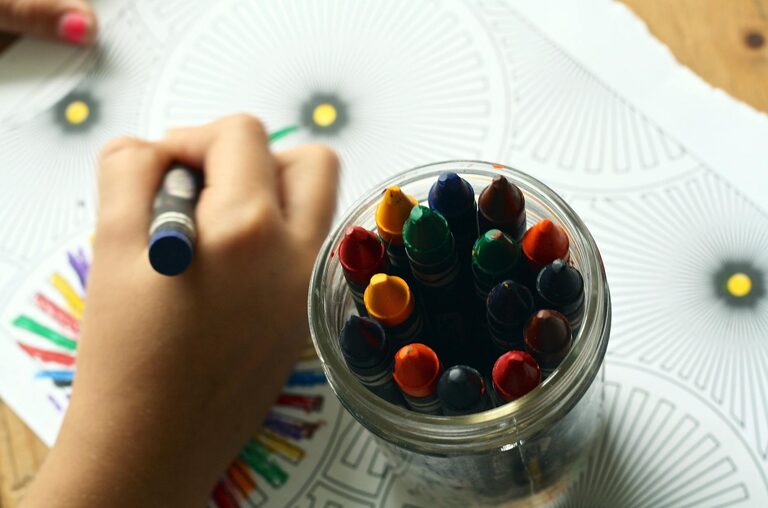
Welcoming your child’s creativity into your home is a joyful experience. From finger paintings to colorful drawings, kids’ artwork can quickly pile up and create clutter. Finding thoughtful ways to organize these precious pieces ensures that you can cherish memories without feeling overwhelmed by mess. In this post, we’ll explore practical tips to keep your kids’ art organized, making it easy to enjoy both creativity and order.
Why Organizing Kids’ Art Matters
Children’s artwork is more than just paper and paint—it’s a record of their growth, imagination, and achievements. However, if left unmanaged, art projects can:
– Take up lots of space
– Become damaged or lost
– Add stress when clutter builds up
Organizing artwork helps you preserve memories while maintaining a neat environment, making your home more enjoyable for everyone.
1. Create a Designated Art Space
Start by setting up a specific area where your child’s artwork is stored or displayed. This could be:
– A dedicated shelf or drawer
– A portfolio or accordion folder
– A wall space or corkboard for rotating displays
Having a go-to spot helps your child take ownership and makes it easy for everyone to know where art belongs.
Tips for an Effective Art Space
– Use colorful bins or containers that appeal to children.
– Label storage with pictures or words to encourage independence.
– Include materials for creating art nearby to inspire creativity.
2. Sort and Declutter Regularly
To avoid endless piles, make sorting artwork a regular habit. Depending on how often your child creates, consider reviewing art weekly or monthly.
How to Sort Art Pieces
– Keep masterpieces that show skill or hold special meaning.
– Recycle or repurpose less significant pieces.
– Photograph or scan artwork before discarding to preserve memories digitally.
3. Use Digital Archiving for Space Saving
Technology offers great solutions for preserving artwork without physical clutter. Digital archiving can include:
– Taking photos with your smartphone
– Using apps designed for storing kids’ art
– Creating digital slideshows or photo books
This approach allows you to keep every creation safe, even if you need to clear physical copies.
4. Make Art Books or Portfolios
Transform collections into organized books or folders. This not only saves space but also makes it fun to look back through past years of creativity.
How to Create Art Books
– Use a three-ring binder with plastic sleeves to insert artwork.
– Arrange art by date, theme, or child.
– Add captions with dates and descriptions for a personal touch.
5. Display Artwork Proudly and Creatively
Showcasing your child’s art boosts their confidence and makes your home vibrant. Here are some display ideas:
– A rotating gallery wall with clipboards or frames.
– Hanging wire with clothespins for easy swapping.
– Magnetic boards or fridge magnets.
Changing displays regularly keeps the space fresh and motivates continued creativity.
6. Repurpose Artwork into Gifts and Keepsakes
Turn art into meaningful presents or keepsakes to share with family and friends:
– Make greeting cards or gift wrap.
– Create calendars featuring different drawings.
– Laminated placemats or bookmarks.
This way, artwork gets a new life and spreads joy.
7. Set Limits and Involve Your Child
Helping your child understand that not every piece can be kept encourages decision-making and responsibility.
– Establish a clear limit on how much can be stored.
– Invite your child to pick favorites to save.
– Celebrate the process of choosing and organizing together.
8. Use Practical Storage Solutions
Choosing the right containers can simplify organization:
– Flat storage boxes for large or fragile pieces.
– Stacking trays or drawers for easy access.
– Labelled file folders for sorted categories.
Keep supplies nearby to maintain the habit of organized storage.
—
By integrating these tips, you can successfully manage your kids’ ever-growing collection of artwork. The key is to balance sentimental value with organization, creating a system that suits your family’s lifestyle. This way, your child’s creative achievements remain treasured memories, and your home stays tidy and clutter-free. Happy organizing!
